
Training Module · Vocal Technique
Vocal Technique and Articulation Clarity Training
The voice is the primary instrument of communication that is often overlooked in conventional public speaking training. We view voice quality and articulation clarity as the deciding factors in whether a message is received comfortably or causes fatigue for the listener.
Training Approach
Measured voice, clear articulation
Vocal technique is the primary instrument in communication that is often overlooked in conventional public speaking training. At Sarhangi Institute, we view voice quality and articulation clarity as the deciding factors in whether a message is received comfortably or causes fatigue for the listener.
Through a systematic approach, we help participants recognize their own voice characteristics and optimize them for various professional needs — from formal speeches to technical presentations that demand word-for-word clarity. This training is not about changing your voice into something else, but maximizing the potential of the voice you already have.
Each session is built on measurable technical exercises: breath position, consonant sharpness, pitch range, and tempo control. No theory is provided without direct practice.
What you will master
-
01
Diaphragmatic breathing for stable air reserves in long sentences
-
02
Sharp consonant and vowel articulation through tongue, lip, and jaw exercises
-
03
Tone modulation and keyword emphasis to maintain audience attention
-
04
Use of strategic pauses and elimination of filler words like "um" or "like"
-
05
Voice projection without vocal cord strain for large rooms
-
06
Daily vocal care and correct microphone usage techniques
Module 01
Voice Anatomy and Breathing Mechanisms
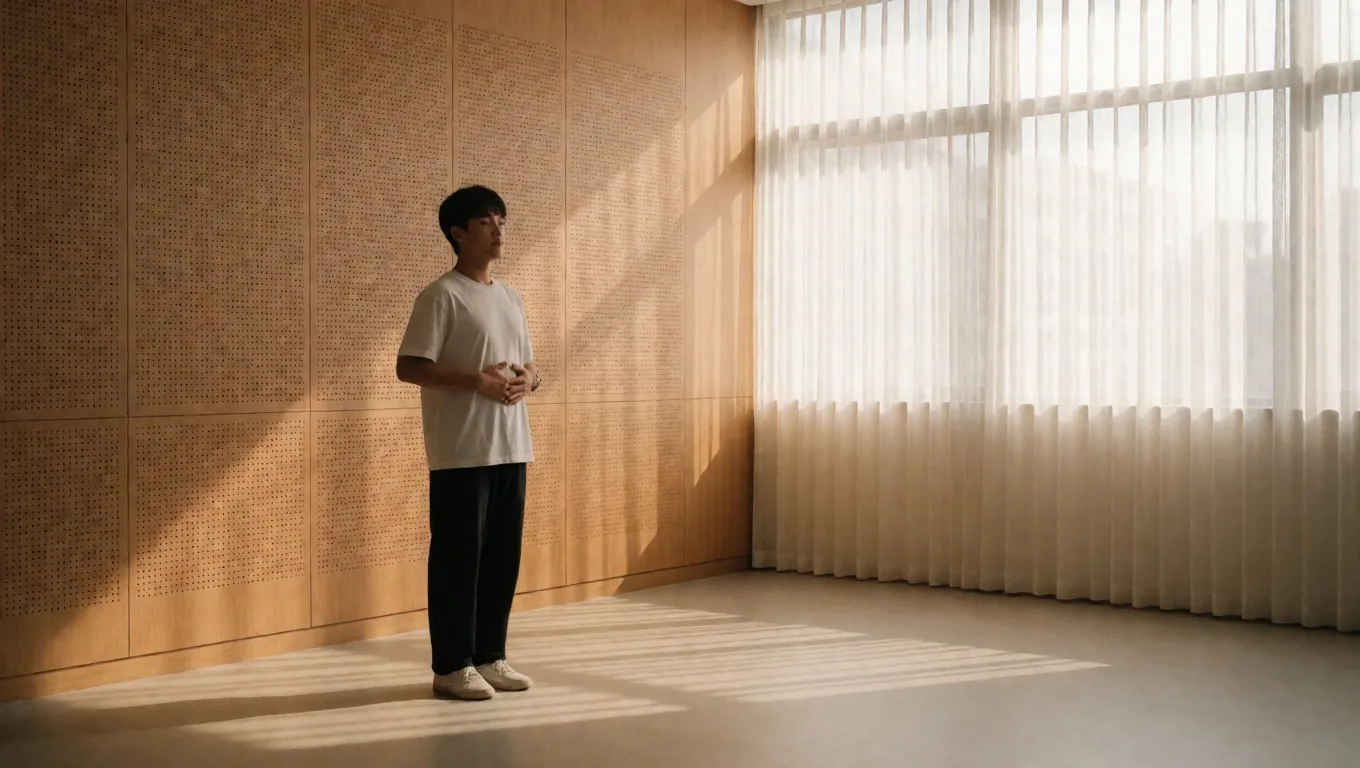
The first step in vocal mastery is understanding how sound is produced through the cooperation of the lungs, vocal cords, and resonance cavities. We teach diaphragmatic breathing techniques that allow speakers to have enough air reserve for long sentences without gasping for breath.
With good breath control, voice pitch stability can be maintained more consistently. As a result, you sound calmer and more authoritative in front of an audience — a voice that does not fluctuate uncontrollably when emotions or pressure increase.
These breathing exercises also serve as the foundation for all subsequent modules. Without controlled breath, articulation and voice projection techniques will not function optimally.
Module 02
Articulation Exercises for Speech Clarity
Many communication problems arise because of mumbling or speaking too quickly, making it difficult for listeners in large rooms to catch the words. We provide a series of tongue, lip, and jaw exercises — including tongue twisters in Indonesian and English — to ensure every consonant and vowel is pronounced sharply and clearly.
These exercises also serve to eliminate overly thick accents or messy speaking habits. The goal is not to erase regional identity, but to ensure words remain understandable to audiences from different backgrounds.
Each participant receives a set of exercises that can be practiced independently every day, each taking about five to ten minutes. We value daily consistency more than long, infrequent practice sessions.
Example of Daily Exercises
-
Sharp consonant repetition
"Paku tumpul, puku tumpul" — sharpness exercise for letters P and K
-
Controlled speed
Read a short paragraph at half the usual tempo, then increase gradually
-
Jaw opening
Conscious jaw opening exercise for vowels "A" and "O"
Module 03 & 04
Pitch Modulation, Intonation Variation, and Strategic Pausing
Speaking in a flat tone is the fastest way to make an audience lose interest. Our training covers how to manage pitch and provide emphasis on keywords to bring a narrative to life. With proper modulation, you can convey emotions, urgency, and enthusiasm that capture attention from the first sentence to the last.
Knowing when to speak fast and when to pause is an art that distinguishes amateur speakers from experienced professionals. We teach the use of pauses as a tool — giving the audience time to digest important information or creating a dramatic effect before a main point is delivered.
Controlling speaking tempo also helps the speaker think for a moment, avoiding filler words that appear when feeling hesitant on stage.
Module 05 & 06
Voice Projection and Elimination of Vocal Ticks
Projection Without Tension
Voice that reaches the back without shouting
Many speakers experience sore throats or hoarseness after speaking for a long time because they shout using neck muscles instead of projecting their voice from the stomach. We provide safe techniques to increase volume so you can be heard in the back row without damaging your vocal cords.
This technique is essential for teachers, tour guides, or field leaders who must often speak in noisy environments or large rooms.
Eliminating Bad Habits
Replacing filler words with clean pauses
The habit of saying "um," "like," or "you know" between sentences often happens unconsciously but is very distracting to listeners. Our instructors help identify these habits through voice recordings and provide strategies to replace them with clean pauses.
Eliminating these small obstacles will directly make your speaking style appear much smarter and more planned.
Module 07 & 08
Vocal Health and Microphone Techniques
The voice is an asset that must be maintained. This training covers daily care and basic technical skills to ensure vocal quality remains prime in every performance.
Daily Care
Hydration and vocal rest
We provide education regarding diet, hydration, and vocal rest needed to prevent long-term vocal cord injury. Practical tips on what to consume before appearing on stage are also part of the additional material.
Microphone Technique
Lip distance and audio handling
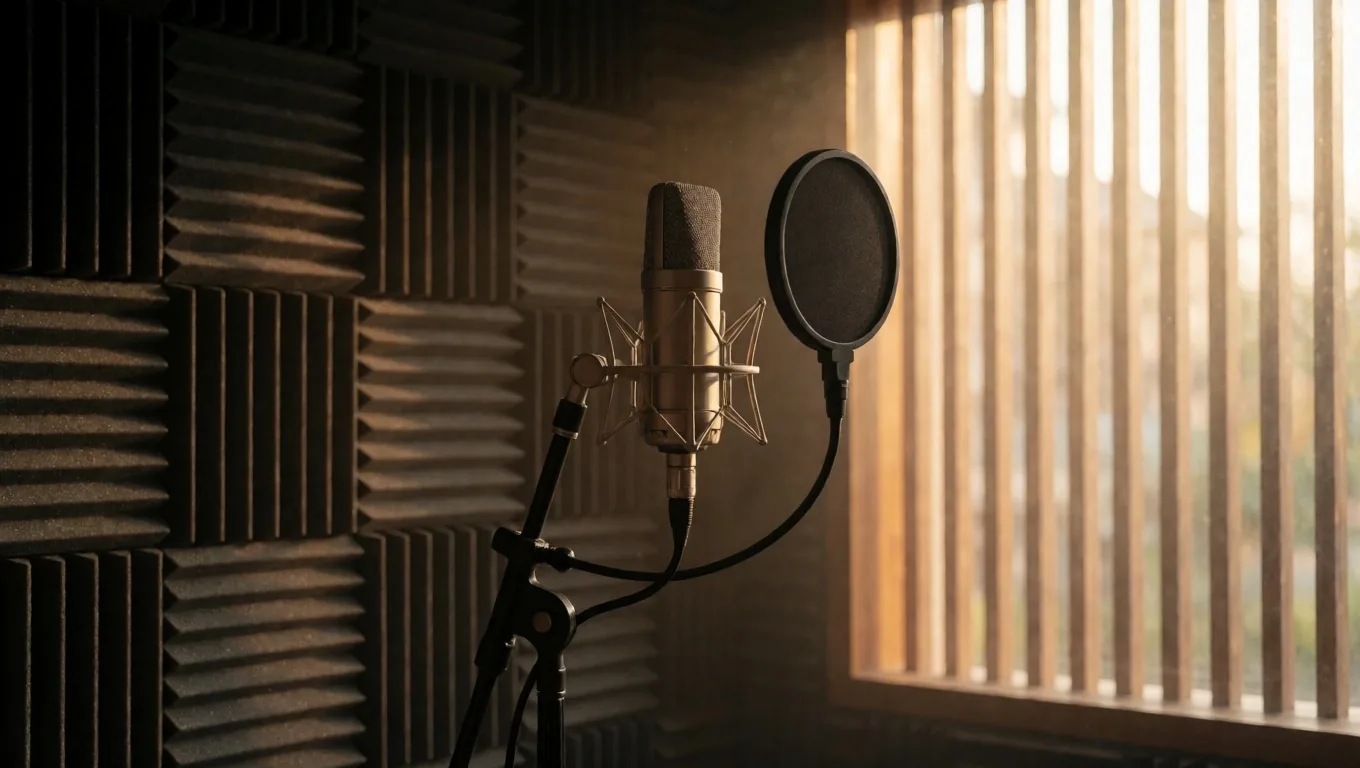
Speaking with a microphone requires specific techniques so the sound does not distort or sound too breathy. We train how to manage lip distance from the microphone and handle audio equipment so the voice remains natural yet powerful.
Room Adaptation
Independent sound check for every room
Room size and acoustics greatly affect how sound travels. We teach independent sound checks and projection adjustments based on environmental conditions, whether in a small meeting room or a large hall.
Module 09
Individual Audio Evaluation
Each participant will receive a special recording session where their voice is analyzed in depth. The results of this analysis become the basis for instructors to provide specific and personal exercise recommendations to improve each participant's vocal weaknesses.
With accurate data, the progress of your vocal ability can be monitored objectively over time while following the program at Sarhangi Institute. You don't need to guess if the exercises are showing results — recordings and analysis prove it.
"A voice recording is a mirror that does not lie — it shows what is actually heard, not what we think is heard."
Sarhangi Institute vocal training principles
Next
Frequently Asked Questions about Vocal Training
Yes. This training is specifically designed to help participants who are just starting. We build a foundation of breathing techniques and basic articulation before moving on to modulation and projection. There are no public speaking experience prerequisites.
Changes in breath awareness and basic articulation are usually felt within the first few sessions. More profound changes — such as eliminating old vocal habits and mastering modulation — require routine practice throughout the program. The main factor is the consistency of daily practice, not just class attendance.
Yes, online options are available for certain modules. However, individual audio evaluation sessions are more optimal when done in person because they involve recording in a controlled environment. Contact us to discuss the schedule and format that best suits your needs.
The goal of this training is not to change your voice character, but to optimize its potential. Your voice remains your voice — what changes is breath control, clarity of articulation, and awareness of distracting habits. The basic character of the voice does not disappear.
No. All equipment — microphones, recording devices, and practice rooms — are provided by the institute. Participants only need to bring a water bottle for hydration and comfortable clothing for breathing exercises.
Start Now
Register for Articulation Classes and master your voice
Consult your vocal needs with our instructor team. We will help determine the modules that best suit your professional goals — whether for speeches, presentations, teaching, or daily communication.
Contact Information
Phone
0313975814
pashaabkcenter@gmail.com
Address
Jl. Proklamasi No 57, Sidomoro Village, Kebomas District, Gresik Regency, East Java Province
Operational Hours
Monday – Saturday, 08:00 – 17:00 WIB